Introduction
Kota Kinabalu, commonly known as KK, is the capital city of Sabah, Malaysia, and one of the most important urban centers on the island of Borneo. Located along the northwest coast of Sabah beside the South China Sea, the city is famous for its beautiful sunsets, diverse cultures, tropical islands, and proximity to some of the world’s most extraordinary natural attractions.
Formerly known as Jesselton during the British colonial period, Kota Kinabalu has developed from a small coastal settlement into a modern city that serves as Sabah’s administrative, economic, educational, and tourism hub. The city offers a unique combination of modern urban life, indigenous heritage, and breathtaking natural landscapes.
Today, Kota Kinabalu attracts millions of visitors from Malaysia and around the world who come to explore its islands, mountains, wildlife, cultural villages, and local cuisine.
History
The history of Kota Kinabalu reflects Sabah’s rich multicultural and colonial past.
Before becoming a modern city, the area was inhabited by indigenous communities who depended on fishing, farming, and coastal trade. The region was historically influenced by various kingdoms and trading networks throughout Southeast Asia.
In the late nineteenth century, the British North Borneo Chartered Company established a settlement called Jesselton. The town became an important trading and administrative center due to its strategic location along the coast.
During World War II, Jesselton suffered major destruction from bombing. After the war, the town was rebuilt and eventually became the capital of Sabah when the state joined the Federation of Malaysia in 1963.
In 1968, Jesselton was officially renamed Kota Kinabalu, honoring Mount Kinabalu, one of Southeast Asia’s most famous mountains.
Geography
Kota Kinabalu is located on the west coast of Sabah, facing the South China Sea.
The city is surrounded by:
- Tropical islands
- Coastal areas
- Mountain ranges
- Rainforests
- Rivers
- Mangrove ecosystems
Its location provides easy access to many of Sabah’s natural attractions, making it a major gateway for exploring Malaysian Borneo.
Nearby destinations include:
- Mount Kinabalu
- Tunku Abdul Rahman Marine Park
- Kundasang
- Ranau
- Sepilok
- Sandakan
Climate
Kota Kinabalu experiences a tropical rainforest climate.
Weather characteristics include:
- Average temperatures between 24°C and 32°C
- High humidity
- Warm weather throughout the year
- Seasonal rainfall
- Sunny periods suitable for outdoor activities
The tropical climate supports Sabah’s rich biodiversity and beautiful landscapes.
Population and Cultural Diversity
Kota Kinabalu is one of Malaysia’s most culturally diverse cities.
The population includes:
- Kadazan-Dusun communities
- Bajau communities
- Malay communities
- Chinese communities
- Indian communities
- Other indigenous groups
This diversity creates a vibrant cultural environment reflected in:
- Traditional clothing
- Festivals
- Languages
- Music
- Food
- Handicrafts
Major cultural celebrations include:
- Kaamatan Harvest Festival
- Hari Raya Aidilfitri
- Chinese New Year
- Deepavali
- Christmas
- Malaysia Day
Economy
Kota Kinabalu is the economic center of Sabah.
Its economy is supported by tourism, trade, services, agriculture, and investment.
Tourism Industry
Tourism is one of Kota Kinabalu’s strongest economic sectors.
Visitors come for:
- Island activities
- Wildlife experiences
- Mountain adventures
- Cultural tourism
- Food tourism
- Nature exploration
The city’s hotels, restaurants, tour operators, and transportation services benefit greatly from international and domestic visitors.
Trade and Commerce
Kota Kinabalu serves as Sabah’s main commercial center.
Important sectors include:
- Retail
- Banking
- Property development
- Hospitality
- Logistics
- Professional services
Shopping malls, business districts, and commercial areas continue to expand.
Agriculture and Fisheries
Sabah has strong agricultural resources.
Products include:
- Palm oil
- Rubber
- Fruits
- Vegetables
- Seafood
- Fisheries products
The surrounding rural areas supply food products to the city and wider Sabah region.
Education
Kota Kinabalu is an important education center in East Malaysia.
The city provides access to:
- Universities
- Colleges
- Technical institutions
- International schools
- Training centers
Higher education programs include:
- Medicine
- Engineering
- Business
- Tourism
- Marine science
- Information technology
- Environmental studies
Educational institutions contribute to research, innovation, and workforce development.
Transportation
Kota Kinabalu has a well-developed transportation network.
Transportation options include:
- Public buses
- Taxis
- Ride-hailing services
- Private vehicles
- Ferries
- Domestic and international flights
Kota Kinabalu International Airport
Kota Kinabalu International Airport is one of Malaysia’s busiest airports and serves as the main gateway to Sabah.
It connects the city with:
- Kuala Lumpur
- Johor Bahru
- Penang
- Singapore
- Other Asian destinations
Healthcare
Healthcare services in Kota Kinabalu are among the most developed in Sabah.
Facilities include:
- Government hospitals
- Private hospitals
- Specialist medical centers
- Dental clinics
- Pharmacies
- Health centers
The city provides medical services for residents as well as visitors from across Sabah.
Tourism Attractions
Mount Kinabalu
Mount Kinabalu is Sabah’s most famous natural landmark and one of the highest mountains in Southeast Asia.
Visitors enjoy:
- Mountain climbing
- Hiking
- Photography
- Nature exploration
The surrounding Kinabalu Park is recognized for its exceptional biodiversity.
Tunku Abdul Rahman Marine Park
Located just offshore from Kota Kinabalu, this marine park consists of several beautiful islands.
Popular activities include:
- Snorkeling
- Diving
- Swimming
- Island hopping
- Beach relaxation
The islands offer clear waters, coral reefs, and stunning scenery.
Kota Kinabalu Waterfront
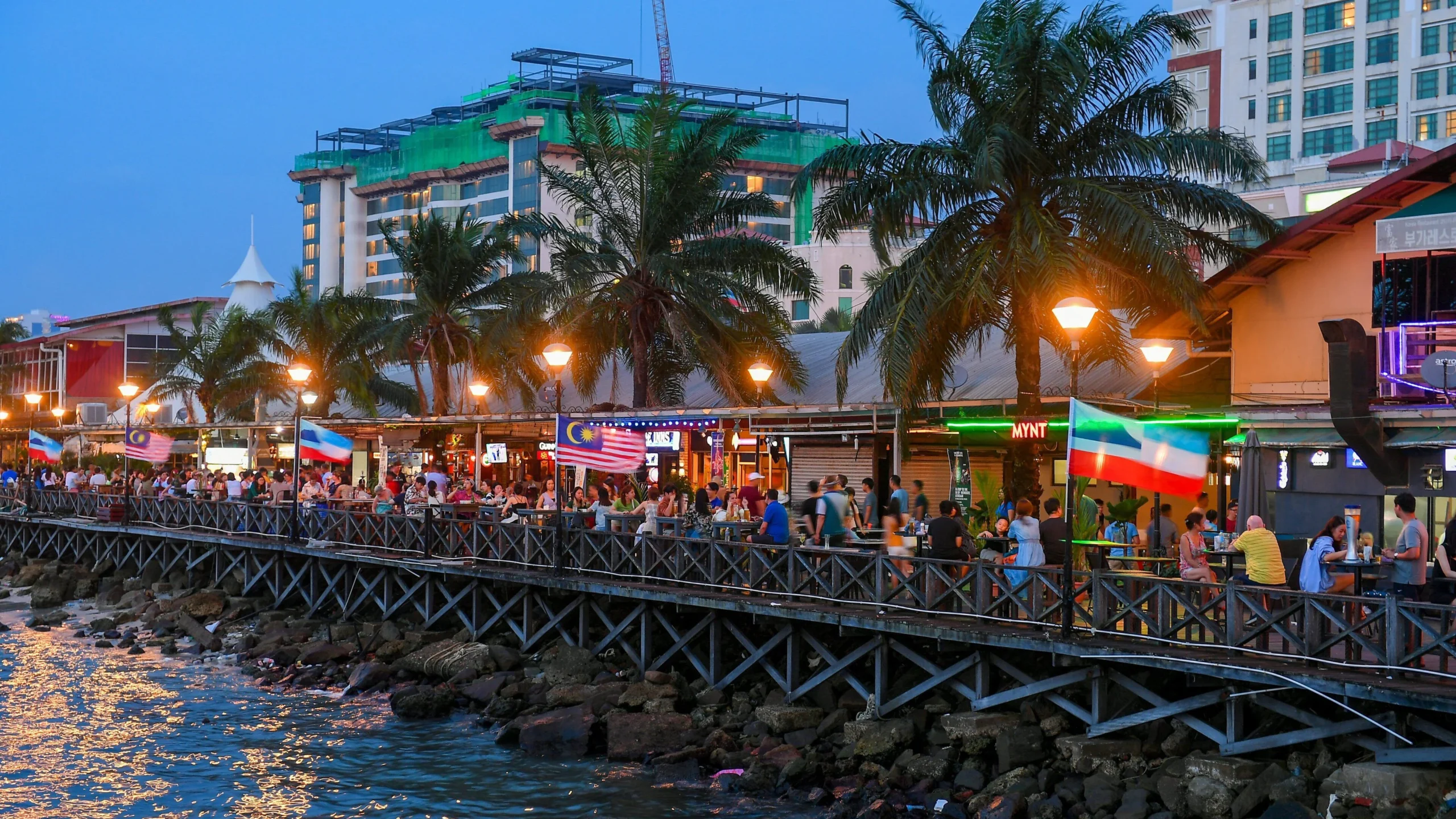
The waterfront is one of the city’s most popular evening destinations.
Visitors enjoy:
- Sunset views
- Restaurants
- Seafood dining
- Night markets
- Entertainment areas
Kota Kinabalu is especially famous for having some of Malaysia’s most beautiful sunsets.
Filipino Market
The Filipino Market is a popular shopping destination offering:
- Seafood
- Local snacks
- Handicrafts
- Souvenirs
- Traditional products
It provides visitors with a lively cultural experience.
Sabah State Museum
The Sabah State Museum showcases:
- History
- Indigenous cultures
- Traditional lifestyles
- Archaeology
- Natural heritage
It provides valuable insight into Sabah’s unique identity.
Food Culture
Kota Kinabalu is a paradise for food lovers.
Popular local dishes include:
- Hinava
- Tuaran Mee
- Seafood dishes
- Sabah Laksa
- Ngiu Chap
- Satay
- Grilled fish
- Fresh tropical fruits
- Traditional desserts
The city is especially famous for fresh seafood, with many restaurants serving locally caught fish, prawns, crabs, and shellfish.
Shopping
Shopping opportunities include:
- Modern shopping malls
- Traditional markets
- Handicraft centers
- Night markets
- Local souvenir shops
Popular items include:
- Sabah handicrafts
- Pearls
- Traditional fabrics
- Local snacks
- Coffee products
- Souvenirs
Arts and Culture
Kota Kinabalu celebrates Sabah’s indigenous heritage through:
- Cultural performances
- Traditional music
- Dance shows
- Craft exhibitions
- Festivals
The city’s cultural attractions help preserve the traditions of Sabah’s many ethnic communities.
Environment and Conservation
Sabah is globally recognized for its biodiversity, and conservation is a major priority.
Environmental efforts include:
- Marine conservation
- Rainforest protection
- Wildlife preservation
- Sustainable tourism
- Recycling programs
Protecting Sabah’s natural resources is essential for future generations.
Investment Opportunities
Kota Kinabalu offers investment opportunities in:
- Tourism
- Hospitality
- Real estate
- Healthcare
- Education
- Digital technology
- Renewable energy
- Agriculture
- Logistics
The city’s role as Sabah’s capital continues to attract investors and businesses.
Future Development
Future development focuses on:
- Smart city initiatives
- Improved transportation systems
- Sustainable tourism
- Digital transformation
- Infrastructure expansion
- Environmental protection
These projects aim to strengthen Kota Kinabalu’s position as a leading city in East Malaysia.
Why Visit Kota Kinabalu?
Kota Kinabalu offers a rare combination of modern city experiences and untouched natural beauty.
Visitors can enjoy:
- Island adventures
- Mountain exploration
- Cultural experiences
- Fresh seafood
- Shopping
- Beautiful sunsets
- Friendly local communities
The city’s relaxed atmosphere and diverse attractions make it one of Malaysia’s most popular destinations.
Conclusion
Kota Kinabalu is a remarkable city that represents the spirit of Sabah. With its fascinating history, multicultural society, strong economy, world-class natural attractions, and commitment to sustainable development, the city continues to grow as one of Malaysia’s most important destinations.
From the majestic Mount Kinabalu to the beautiful islands of the South China Sea, Kota Kinabalu offers unforgettable experiences for residents, travelers, investors, and nature lovers. Its unique combination of tradition, modernity, and natural beauty ensures that it will remain a major center of tourism, culture, and economic growth in Borneo for many years to come.