Introduction
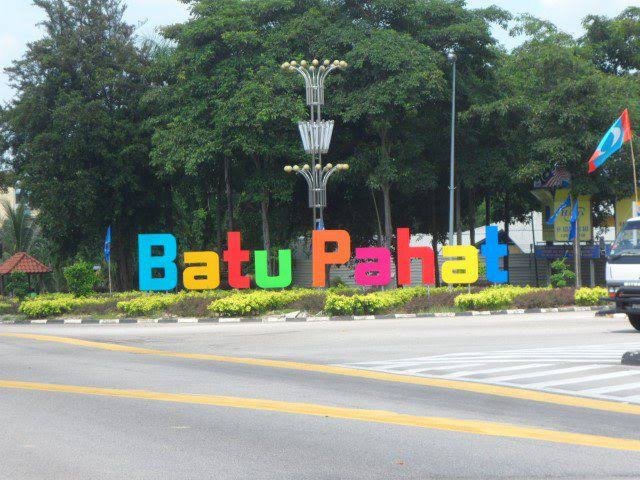
Batu Pahat is one of the largest and most important towns in the state of Johor, Malaysia. Located on the western coast of Peninsular Malaysia, it serves as the administrative center of the Batu Pahat District and is recognized for its thriving economy, rich cultural heritage, educational institutions, and growing tourism industry. The town combines modern urban development with traditional Malaysian charm, making it an attractive destination for residents, students, investors, and travelers alike.
Often referred to as one of Johor’s key commercial and industrial centers, Batu Pahat has experienced remarkable growth over the past few decades. Its strategic location, excellent transportation network, and diversified economy have contributed to its reputation as a dynamic and prosperous regional city.
History
The history of Batu Pahat dates back to the fifteenth century during the era of the Malacca Sultanate. According to local legend, the town’s name, which translates to “Chiseled Rock,” originated when soldiers of the Siamese army carved a well into solid rock while searching for fresh water during a military expedition.
During the colonial period, Batu Pahat became an important agricultural and trading center. The British administration introduced improvements in infrastructure, roads, public buildings, and education, encouraging rapid development throughout the district.
Following Malaysia’s independence in 1957, Batu Pahat expanded significantly through industrialization, improved transportation, and investment in education and public services. Today, it stands as one of Johor’s most developed towns.
Geography
Batu Pahat is situated along the Straits of Malacca on the western side of Johor. The district is bordered by Muar to the northwest, Kluang to the east, and Pontian to the south.
Its geography includes:
- Coastal areas
- Agricultural plains
- Oil palm plantations
- Rubber estates
- Rivers and wetlands
- Residential and commercial districts
The surrounding fertile land has supported agriculture for generations, while urban expansion has created modern neighborhoods and business districts.
Climate
Batu Pahat enjoys a tropical rainforest climate throughout the year.
Typical weather conditions include:
- Average temperatures ranging from 24°C to 33°C
- High humidity
- Frequent rainfall
- Warm weather year-round
- Green landscapes supported by seasonal rains
The climate supports agriculture, outdoor recreation, and tourism.
Population and Community
Batu Pahat is home to a diverse population that includes Malays, Chinese, Indians, and other ethnic communities. This multicultural environment is reflected in the town’s languages, cuisines, festivals, and religious practices.
Residents are known for their hospitality and strong sense of community. Throughout the year, cultural celebrations and community events bring people together, highlighting Malaysia’s rich multicultural heritage.
Economy
Batu Pahat has one of Johor’s most diversified regional economies.
Manufacturing
Manufacturing is a major contributor to the local economy.
Industries include:
- Electrical products
- Electronics
- Furniture
- Food processing
- Textiles
- Plastic products
- Metal fabrication
Industrial parks throughout the district provide employment opportunities and attract domestic and international investment.
Agriculture
Agriculture continues to play an important role.
Major agricultural products include:
- Oil palm
- Rubber
- Cocoa
- Pineapple
- Coconut
- Fruits
- Vegetables
Modern farming practices have improved productivity while supporting sustainable agricultural development.
Retail and Commerce
Batu Pahat features a vibrant commercial sector with:
- Shopping malls
- Supermarkets
- Local markets
- Banks
- Restaurants
- Hotels
- Business centers
Small and medium-sized enterprises (SMEs) are essential contributors to economic growth.
Education
Education is one of Batu Pahat’s greatest strengths.
The district offers:
- Public primary schools
- Secondary schools
- Technical institutes
- Vocational colleges
- Private colleges
- Higher education institutions
Nearby Universiti Tun Hussein Onn Malaysia (UTHM) in Parit Raja has significantly contributed to the region’s educational development, research activities, and skilled workforce.
Transportation
Batu Pahat has a well-developed transportation network connecting it with major cities across Johor and Peninsular Malaysia.
Transportation options include:
- Public buses
- Express buses
- Ride-hailing services
- Taxis
- Private vehicles
Major highways provide convenient access to Johor Bahru, Muar, Kluang, Malacca, and Kuala Lumpur.
The town’s location also supports efficient transportation of agricultural and industrial products.
Healthcare
Healthcare services continue to improve through investment in public and private medical facilities.
Available services include:
- Government hospitals
- Private hospitals
- Specialist medical centers
- Dental clinics
- Community health clinics
- Pharmacies
Residents benefit from accessible and high-quality healthcare.
Tourism Attractions
Batu Pahat offers a variety of attractions suitable for families, history enthusiasts, and nature lovers.
Pantai Minyak Beku
Pantai Minyak Beku, also known as Frozen Oil Village Beach, is one of Batu Pahat’s most famous coastal attractions. Visitors enjoy scenic ocean views, fresh seafood, and relaxing walks along the shoreline.
Batu Pahat Mall
One of the largest shopping destinations in the district, Batu Pahat Mall offers retail stores, restaurants, entertainment facilities, and family-friendly attractions.
Wet World Batu Pahat Village Resort
This popular water park provides recreational activities for families and tourists, featuring swimming pools, water slides, and leisure facilities.
Dataran Penggaram
Located near the waterfront, Dataran Penggaram serves as an important public gathering space where visitors enjoy evening walks, cultural events, and scenic views.
Local Heritage Areas
Historic buildings, traditional shophouses, temples, mosques, and colonial-era architecture reflect the town’s rich cultural and historical development.
Food Culture
Batu Pahat is famous for its diverse culinary scene.
Popular local dishes include:
- Mee Bandung
- Satay
- Nasi Lemak
- Asam Pedas
- Seafood
- Otak-Otak
- Roti Canai
- Chicken Rice
- Laksa
- Traditional Malay desserts
Night markets and food courts provide affordable opportunities to experience authentic Malaysian cuisine.
Shopping
Shopping opportunities include:
- Modern shopping malls
- Traditional wet markets
- Night markets
- Furniture stores
- Local boutiques
- Souvenir shops
Visitors can purchase local handicrafts, fresh produce, clothing, electronics, and traditional Malaysian products.
Arts and Culture
Batu Pahat celebrates its multicultural heritage through:
- Traditional dance performances
- Music festivals
- Cultural exhibitions
- Religious celebrations
- Community fairs
- Local art programs
These events strengthen community relationships while preserving local traditions.
Environment and Sustainability
Environmental conservation has become increasingly important.
Current initiatives include:
- Recycling programs
- Urban tree planting
- River conservation
- Waste management
- Green public spaces
- Sustainable agriculture
Local authorities continue to promote environmentally responsible development.
Investment Opportunities
Batu Pahat offers strong investment potential in:
- Manufacturing
- Real estate
- Tourism
- Education
- Retail
- Healthcare
- Food processing
- Technology
- Logistics
Government support and excellent infrastructure continue to attract investors.
Future Development
The future of Batu Pahat includes:
- Expansion of industrial parks
- Improved transportation infrastructure
- Smart city initiatives
- Sustainable urban planning
- Tourism development
- Digital transformation
- Enhanced public services
These projects aim to improve quality of life while supporting long-term economic growth.
Why Visit Batu Pahat?
Batu Pahat is an ideal destination for travelers seeking history, culture, shopping, delicious food, and coastal attractions. Its welcoming community, modern facilities, and convenient location make it suitable for family vacations, educational visits, and business travel.
Whether exploring heritage sites, enjoying local cuisine, relaxing by the coast, or discovering the district’s vibrant markets, visitors will find plenty to experience.
Conclusion
Batu Pahat is one of Johor’s most dynamic and well-developed districts. From its fascinating historical origins and multicultural heritage to its strong economy, educational institutions, and growing tourism industry, the town continues to play an important role in Malaysia’s development.
With ongoing investment in infrastructure, education, environmental sustainability, and industry, Batu Pahat is well positioned to remain a leading regional center for commerce, innovation, and community life. Its combination of tradition and progress ensures that it will continue to attract residents, businesses, students, and visitors for many years to come.