Introduction
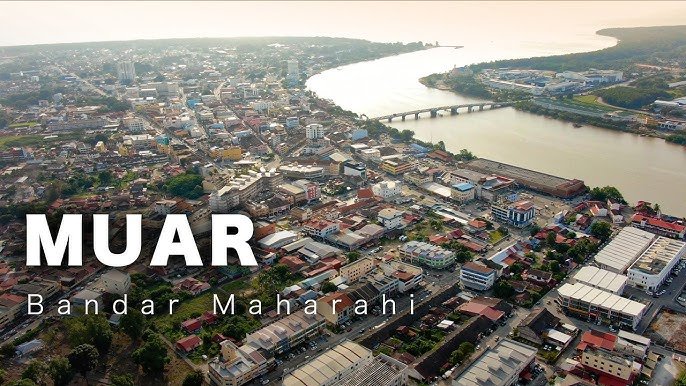
Muar, often referred to as the “Royal Town of Johor,” is one of Malaysia’s oldest and most historically significant towns. Located on the northwestern coast of Johor along the Muar River, the town is celebrated for its rich cultural heritage, colonial architecture, vibrant food scene, and thriving economy. Muar has successfully preserved its historical charm while embracing modernization, making it one of the most attractive destinations in southern Malaysia.
Recognized for its cleanliness, beautiful streets, and welcoming atmosphere, Muar offers visitors a unique blend of history, culture, nature, and modern amenities. Whether exploring heritage buildings, enjoying local cuisine, or experiencing riverside life, Muar provides an authentic Malaysian experience.
History
The history of Muar stretches back many centuries. Historical records indicate that the region was an important trading settlement long before the establishment of modern Malaysia. Due to its strategic location along the Muar River and the Strait of Malacca, merchants from China, India, Arabia, and the Malay Archipelago frequently visited the area.
During the Malacca Sultanate, Muar served as an important trading and agricultural region. Later, Portuguese, Dutch, and British colonial influences shaped the town’s development, leaving behind architectural and cultural landmarks that remain today.
After Malaysia’s independence, Muar continued to develop into one of Johor’s leading commercial and industrial districts while maintaining its historical identity.
Geography
Muar is situated in northwestern Johor, approximately 150 kilometers from Johor Bahru and about 45 kilometers from Malacca City. The town lies along the scenic Muar River, one of the longest rivers in Peninsular Malaysia.
Its strategic location provides easy access to neighboring states and makes it an important transportation and trading hub.
The surrounding areas include:
- Agricultural land
- Oil palm plantations
- Rubber estates
- Fishing villages
- Coastal beaches
- Residential neighborhoods
Climate
Muar experiences a tropical rainforest climate throughout the year.
Typical weather conditions include:
- Average temperatures between 24°C and 33°C
- High humidity
- Frequent rainfall
- Warm weather year-round
- Green landscapes supported by seasonal rains
The favorable climate benefits agriculture and outdoor tourism.
Population and Culture
Muar is home to a multicultural population consisting mainly of Malays, Chinese, Indians, and other ethnic communities. This diversity contributes to the town’s vibrant cultural life, where different traditions, languages, religions, and cuisines coexist harmoniously.
Residents celebrate major festivals such as Hari Raya Aidilfitri, Chinese New Year, Deepavali, Christmas, and Mid-Autumn Festival, reflecting Malaysia’s multicultural heritage.
Economy
Muar has one of Johor’s strongest regional economies, supported by manufacturing, agriculture, commerce, tourism, and services.
Furniture Industry
Muar is widely known as the Furniture Capital of Malaysia. Hundreds of furniture manufacturers operate in the district, producing high-quality wooden furniture that is exported to countries around the world.
Products include:
- Dining tables
- Sofas
- Bedroom furniture
- Office furniture
- Kitchen cabinets
- Home décor items
The furniture industry provides employment for thousands of workers and contributes significantly to Malaysia’s export economy.
Agriculture
Agriculture continues to play an essential role in Muar’s economy.
Major agricultural products include:
- Oil palm
- Rubber
- Durian
- Coconut
- Pineapple
- Bananas
- Vegetables
- Aquaculture products
Modern farming techniques have improved productivity while supporting sustainable agricultural practices.
Retail and Commerce
Muar has developed into a busy commercial center with:
- Shopping malls
- Traditional markets
- Supermarkets
- Banks
- Restaurants
- Hotels
- Retail stores
Local entrepreneurs and small businesses contribute significantly to economic growth.
Education
Education is an important aspect of community development in Muar.
The district has numerous:
- Primary schools
- Secondary schools
- Technical institutes
- Vocational colleges
- Private colleges
- Training centers
Students also have convenient access to universities in Johor and neighboring states.
Transportation
Muar is well connected through an efficient road network.
Transportation options include:
- Public buses
- Express buses
- Taxis
- Ride-hailing services
- Private vehicles
Major highways connect Muar with Johor Bahru, Kuala Lumpur, Malacca, and Batu Pahat.
The Muar River has also played an important historical role in transportation and trade.
Healthcare
Residents have access to comprehensive healthcare facilities, including:
- Government hospitals
- Private hospitals
- Specialist clinics
- Dental clinics
- Community health centers
- Pharmacies
Healthcare infrastructure continues to improve alongside population growth.
Tourism Attractions
Muar offers a variety of attractions that appeal to history enthusiasts, food lovers, and nature enthusiasts.
Muar River
The Muar River is the heart of the town. Visitors can enjoy scenic walks, photography, and relaxing evenings along the riverside.
Tanjung Emas Park
Located beside the Muar River, Tanjung Emas Park is a popular recreational destination featuring:
- Walking paths
- Children’s playgrounds
- Gardens
- Riverside views
- Family picnic areas
It is especially popular during weekends and public holidays.
Sultan Ibrahim Jamek Mosque
This beautiful mosque combines Victorian and Moorish architectural styles, making it one of Muar’s most iconic landmarks.
Its elegant design attracts both worshippers and visitors interested in architecture.
Colonial Heritage Buildings
Muar’s historic town center features well-preserved colonial-era buildings, government offices, old shophouses, and heritage streets that reflect the town’s rich past.
Walking through these areas offers a glimpse into Malaysia’s colonial history.
Street Art
Muar has become increasingly famous for colorful street murals that decorate buildings throughout the town.
These artworks celebrate local culture, history, and daily life while attracting photographers and tourists.
Food Culture
Muar is regarded as one of Malaysia’s top culinary destinations.
Popular local specialties include:
- Muar Otak-Otak
- Mee Bandung Muar
- Satay
- Asam Pedas
- Nasi Lemak
- Roti Canai
- Seafood
- Cendol
- Traditional Malay desserts
Coffee shops, food courts, and night markets provide visitors with countless opportunities to experience authentic Johor cuisine.
Shopping
Shopping opportunities include:
- Modern shopping malls
- Traditional markets
- Weekend bazaars
- Local handicraft stores
- Furniture showrooms
- Boutique shops
Visitors often purchase local food products, handmade crafts, furniture, and souvenirs.
Arts and Culture
Muar actively promotes arts and cultural heritage through:
- Music festivals
- Cultural performances
- Traditional dances
- Community celebrations
- Heritage exhibitions
- Local art galleries
These activities help preserve local traditions for future generations.
Environment
Environmental conservation has become increasingly important in Muar.
Current initiatives include:
- River conservation
- Urban landscaping
- Recycling campaigns
- Waste management
- Green public spaces
- Sustainable tourism
These efforts improve residents’ quality of life while protecting natural resources.
Investment Opportunities
Muar offers investment potential in several sectors, including:
- Furniture manufacturing
- Tourism
- Hospitality
- Real estate
- Agriculture
- Food processing
- Logistics
- Retail
- Education
Its strategic location and strong industrial base continue to attract domestic and international investors.
Future Development
Future development plans focus on:
- Improving transportation infrastructure
- Expanding tourism facilities
- Supporting digital businesses
- Developing smart city technologies
- Promoting sustainable urban planning
- Enhancing public services
These initiatives aim to strengthen Muar’s position as one of Johor’s leading regional cities.
Why Visit Muar?
Muar offers visitors a combination of history, culture, food, and natural beauty. Whether enjoying the riverside, exploring heritage streets, tasting famous local dishes, or shopping for Malaysian-made furniture, the town provides memorable experiences for travelers of all ages.
Its peaceful atmosphere, friendly community, and well-preserved historical character distinguish it from many larger urban centers.
Conclusion
Muar stands as one of Johor’s most remarkable towns, combining centuries of history with modern economic progress. Its reputation as the Furniture Capital of Malaysia, together with its outstanding cuisine, multicultural community, historic architecture, and scenic riverfront, makes it a destination worthy of exploration.
As investment, tourism, and infrastructure continue to grow, Muar is well positioned to remain an important center for business, education, culture, and sustainable development. Its ability to preserve its heritage while embracing innovation ensures that it will continue to thrive as one of Malaysia’s most attractive and livable towns.