Introduction
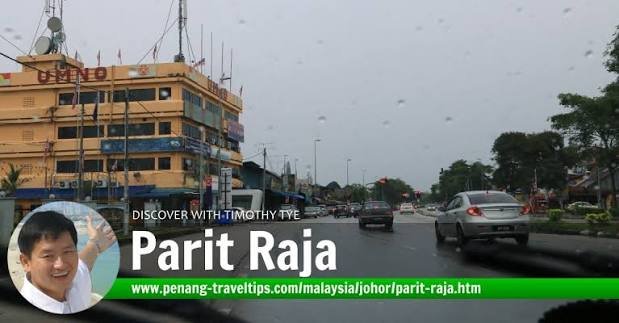
Parit Raja is a thriving town located in the Batu Pahat District of Johor, Malaysia. Over the years, it has transformed from a small agricultural settlement into one of the state’s most important educational and commercial centers. The town is particularly well known for being home to Universiti Tun Hussein Onn Malaysia (UTHM), which has played a major role in shaping its economy, infrastructure, and social development.
Today, Parit Raja attracts university students, business owners, investors, and visitors from across Malaysia and abroad. Although modernization has brought significant growth, the town continues to preserve its agricultural heritage and community-oriented lifestyle. This balance between progress and tradition makes Parit Raja a unique and attractive place to live, study, and invest.
Historical Background
The history of Parit Raja is closely connected to the agricultural development of Johor. The word “Parit” means drainage canal in the Malay language, while “Raja” means king. Like many settlements established during Johor’s agricultural expansion, Parit Raja developed around a network of irrigation canals that improved farming productivity.
Early settlers cleared forests to cultivate crops such as rice, rubber, coconuts, and vegetables. These agricultural activities formed the backbone of the local economy and attracted more families to settle in the area.
As transportation improved and roads connected Parit Raja to Batu Pahat and neighboring towns, commercial activities expanded. Small shops, schools, markets, and healthcare facilities gradually appeared, transforming the village into a developing township.
The establishment of educational institutions, especially UTHM, accelerated the town’s transformation into a modern center for education and business.
Geographical Location
Parit Raja is situated approximately 20 kilometers northeast of Batu Pahat town in Johor. The town enjoys a strategic location with convenient road access to several major destinations, including:
- Batu Pahat
- Yong Peng
- Kluang
- Muar
- Johor Bahru
Its location makes it an important gateway connecting educational institutions, agricultural communities, and commercial centers.
The surrounding landscape consists of oil palm plantations, agricultural land, residential neighborhoods, educational campuses, and expanding commercial districts.
Climate
Parit Raja experiences a tropical rainforest climate throughout the year.
Characteristics include:
- Average temperatures between 24°C and 33°C
- High humidity
- Heavy rainfall during the northeast monsoon season
- Warm weather throughout the year
The favorable climate supports agriculture, particularly oil palm, rubber, fruits, and vegetable farming.
Population and Community
Parit Raja has experienced significant population growth due to educational expansion and economic opportunities.
Its population includes:
- Local Malaysian families
- University students
- Academic staff
- Government employees
- Entrepreneurs
- International students
The multicultural community consists mainly of Malays, Chinese, Indians, and other ethnic groups who contribute to the town’s diverse cultural identity.
Education: The Foundation of Modern Parit Raja
Education has become the most important driver of Parit Raja’s development.
Universiti Tun Hussein Onn Malaysia (UTHM)
UTHM is among Malaysia’s leading public universities specializing in engineering, technology, science, technical education, business, architecture, and information technology.
The university contributes significantly by:
- Producing highly skilled graduates
- Supporting research and innovation
- Encouraging entrepreneurship
- Creating employment opportunities
- Collaborating with industries
- Promoting international academic exchange
Thousands of students studying at UTHM have stimulated demand for housing, restaurants, transportation, healthcare, bookstores, and retail businesses.
Schools
Parit Raja also has several primary and secondary schools that provide quality education for local residents.
Technical institutes, training centers, and private educational facilities further strengthen the town’s educational ecosystem.
Economic Development
Agriculture
Agriculture remains an important sector despite rapid urbanization.
Major agricultural products include:
- Oil palm
- Rubber
- Pineapple
- Bananas
- Vegetables
- Poultry
- Fisheries
Modern farming technologies have improved productivity while supporting sustainable agricultural practices.
Small and Medium Enterprises (SMEs)
SMEs contribute greatly to the local economy.
Examples include:
- Restaurants
- Cafés
- Grocery stores
- Printing services
- Construction companies
- Automotive workshops
- Beauty salons
- Pharmacies
- Computer service centers
Many businesses primarily serve university students and nearby communities.
Retail Industry
Retail development has expanded rapidly.
Residents enjoy access to:
- Supermarkets
- Convenience stores
- Pharmacies
- Banks
- Clothing stores
- Mobile phone retailers
- Hardware shops
- Restaurants
- Coffee shops
The commercial sector continues to grow as the population increases.
Infrastructure
Infrastructure development has improved significantly over the last two decades.
Major facilities include:
- Modern highways
- Residential housing estates
- Student accommodation
- Healthcare clinics
- Mosques
- Schools
- Sports facilities
- Public parks
- Community halls
Continued investment supports both residents and businesses.
Transportation
Road transportation is the primary mode of travel.
Residents use:
- Private vehicles
- Public buses
- Ride-hailing services
- Motorcycles
- Taxis
Nearby highways provide efficient access to Johor Bahru, Muar, Kluang, and other parts of Johor.
Food Culture
Parit Raja offers an impressive variety of Malaysian cuisine.
Popular dishes include:
- Nasi Lemak
- Satay
- Mee Rebus
- Mee Bandung
- Laksa Johor
- Roti Canai
- Char Kway Teow
- Fried Noodles
- Seafood
- Chicken Rice
Because of the university population, the town also features cafés serving Western food, Korean cuisine, Japanese dishes, bubble tea, coffee, and desserts.
Affordable dining is one of the town’s biggest attractions for students.
Healthcare
Residents have access to various healthcare services.
Facilities include:
- Government health clinics
- Private medical clinics
- Dental clinics
- Pharmacies
- Specialist healthcare services in nearby Batu Pahat
Medical accessibility has improved considerably as the town has expanded.
Religion and Culture
Parit Raja reflects Malaysia’s multicultural harmony.
Religious facilities include:
- Mosques
- Buddhist temples
- Hindu temples
- Churches
Major celebrations include:
- Hari Raya Aidilfitri
- Chinese New Year
- Deepavali
- Christmas
- National Day
- Malaysia Day
Community festivals strengthen social unity among different ethnic groups.
Recreation
Residents enjoy various recreational opportunities.
Popular activities include:
- Jogging
- Cycling
- Football
- Badminton
- Fishing
- Family picnics
- Café hopping
- Shopping
Students also participate in university sports competitions and cultural events.
Tourism
Although Parit Raja is primarily an educational town, visitors can explore nearby attractions such as:
- Batu Pahat town
- Local beaches
- Traditional villages
- Agricultural plantations
- Parks
- Shopping centers
- Historical landmarks
Its central location makes it a convenient base for exploring the wider Batu Pahat District.
Digital Development
Internet connectivity and digital services have become increasingly important.
Many businesses now use:
- Online food delivery
- Digital payments
- E-commerce
- Social media marketing
- Cloud-based business systems
The presence of university students has accelerated digital adoption.
Environmental Sustainability
Local authorities are working toward sustainable development by promoting:
- Waste management
- Recycling programs
- Green landscaping
- Flood mitigation
- Environmental education
- Sustainable agriculture
Protecting natural resources remains essential as urban development continues.
Challenges
Despite its progress, Parit Raja faces several challenges:
- Traffic congestion during university sessions
- Rising housing demand
- Environmental conservation
- Infrastructure maintenance
- Urban planning
- Public transportation improvements
Addressing these issues will help ensure long-term sustainable growth.
Investment Opportunities
Parit Raja presents attractive opportunities in:
- Student accommodation
- Retail businesses
- Food and beverage services
- Property development
- Healthcare
- Education services
- Technology startups
- Agricultural innovation
Its growing population and educational focus continue to attract investors.
Future Outlook
Parit Raja is expected to continue expanding over the next decade.
Key growth areas include:
- Smart city initiatives
- Digital innovation
- Research and development
- Higher education
- Sustainable housing
- Green infrastructure
- Entrepreneurship
- Tourism
With continued investment and careful planning, the town is likely to become one of Johor’s leading regional centers.
Conclusion
Parit Raja has undergone a remarkable transformation from a modest farming settlement into a dynamic educational, commercial, and residential town. Its strong agricultural heritage, excellent educational institutions, expanding economy, multicultural society, and improving infrastructure have made it one of the most promising towns in Johor.
As development continues, Parit Raja is well positioned to strengthen its reputation as a center for learning, innovation, business, and community life. By balancing modernization with environmental sustainability and cultural preservation, the town can continue to provide opportunities and a high quality of life for future generations.